Delving into Pharmacy Negligence: Suing for Life-Threatening Medication Errors, this introduction immerses readers in a unique and compelling narrative. It provides a comprehensive overview of the serious issue of pharmacy negligence leading to life-threatening medication errors.
Understanding Pharmacy Negligence
Pharmacy negligence refers to the failure of pharmacists or pharmacy staff to provide the correct medication or dosage to patients, resulting in harmful consequences. This negligence can occur at any stage of the medication process, from prescribing to dispensing.
Examples of Life-Threatening Medication Errors
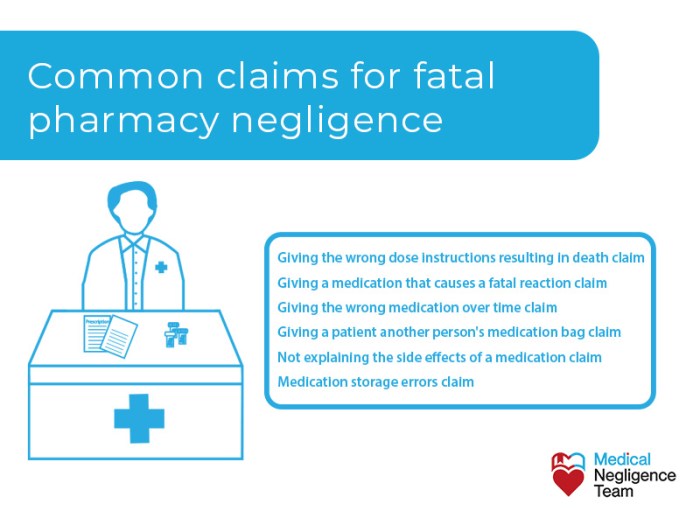
- Providing the wrong medication to a patient with a critical condition, such as administering insulin instead of a heart medication.
- Dispensing the incorrect dosage of a medication, leading to an overdose or underdose that can endanger the patient's life.
- Failing to alert patients about potential drug interactions that could have serious adverse effects on their health.
Potential Consequences of Pharmacy Negligence
Pharmacy negligence can have severe implications for patients, including:
- Worsening of existing health conditions due to incorrect medication or dosage.
- Development of new health problems or complications as a result of inappropriate drug therapy.
- Permanent disability or even death in extreme cases of medication errors caused by negligence.
Legal Aspects of Suing for Life-Threatening Medication Errors
When facing a life-threatening medication error caused by pharmacy negligence, individuals may seek legal recourse to hold the responsible parties accountable. Understanding the legal grounds and process for suing a pharmacy in such cases is crucial for pursuing justice and compensation.
Legal Grounds for Suing a Pharmacy
- Pharmacy Negligence: To file a lawsuit against a pharmacy for a life-threatening medication error, one must prove that the pharmacy breached its duty of care by dispensing the wrong medication, dosage, or instructions.
- Medical Malpractice: In cases where the error directly results in harm or injury, individuals can sue for medical malpractice, alleging that the pharmacy's actions deviated from the accepted standard of care.
Process of Filing a Lawsuit
- Consultation with an Attorney: The first step is to seek legal advice from an attorney specializing in medical malpractice and pharmacy negligence cases.
- Evidence Collection: Gathering all relevant documentation, including medical records, prescriptions, and witness statements, to support the claim of negligence.
- Filing a Complaint: The attorney will file a formal complaint against the pharmacy, detailing the allegations of negligence and the damages suffered as a result.
Role of Evidence and Documentation
- Medical Records: Detailed medical records showing the impact of the medication error on the individual's health are crucial evidence in proving negligence.
- Prescription Records: Providing proof of the prescribed medication, dosage, and instructions compared to what was actually dispensed by the pharmacy.
- Expert Testimony: Expert witnesses, such as pharmacists or medical professionals, may testify to establish the standard of care and the deviation from it by the pharmacy.
Factors Contributing to Medication Errors
Medication errors in pharmacies can have serious consequences, including life-threatening outcomes. It's crucial to understand the common factors that contribute to these errors to prevent them from occurring.
Improper Medication Labeling and Packaging
One of the key factors contributing to medication errors is improper labeling and packaging of medications. Confusing or unclear labels can lead to the wrong medication being dispensed or the incorrect dosage being administered to the patient. Pharmacists must ensure that medications are clearly labeled with the correct information to prevent these errors.
Communication Breakdowns Among Healthcare Providers
Another significant factor that can contribute to medication errors is communication breakdowns between healthcare providers. When information is not effectively communicated between doctors, pharmacists, and other healthcare professionals, there is a higher risk of mistakes in prescribing and dispensing medications.
Clear and open communication is essential to ensure that patients receive the right medications and dosages.
Patient Rights and Responsibilities
Patients who have experienced life-threatening medication errors due to pharmacy negligence have specific rights that help protect them and hold healthcare providers accountable for their actions. Understanding these rights is crucial in seeking justice and preventing future errors.
Importance of Patient Advocacy
Patient advocacy plays a vital role in preventing medication errors and ensuring safe healthcare practices. By advocating for themselves and being actively involved in their care, patients can help identify potential issues, communicate effectively with healthcare providers, and take control of their treatment plans.
Tips for Patients to Protect Themselves
- Always double-check the medication name, dosage, and instructions provided by the pharmacist before leaving the pharmacy.
- Keep a detailed list of all medications you are currently taking, including over-the-counter drugs and supplements, to avoid potential interactions.
- Ask questions about your medications, including potential side effects, how to take them, and what to do if you miss a dose.
- If you notice any changes in your health after starting a new medication, contact your healthcare provider immediately.
- Report any concerns or suspicions of medication errors to the pharmacy, your healthcare provider, or the appropriate regulatory body.
Summary
In conclusion, the discussion on Pharmacy Negligence: Suing for Life-Threatening Medication Errors sheds light on the legal and medical aspects surrounding this critical issue. It emphasizes the importance of patient safety and the need for accountability in the healthcare system.
Commonly Asked Questions
What legal grounds exist for suing a pharmacy for life-threatening medication errors?
Legal grounds for such lawsuits may include negligence, breach of duty, or failure to provide the standard of care expected in pharmacy practices.
How can patients protect themselves from potential medication errors when receiving prescriptions?
Patients can protect themselves by carefully reviewing medication labels, asking questions about their prescriptions, and ensuring clear communication with healthcare providers.
What are some common factors contributing to life-threatening medication errors in pharmacies?
Common factors include miscommunication between healthcare providers, lack of proper labeling on medications, and errors in dispensing the wrong medication or dosage.