
Exploring the intricate realm of Surgical instrument retention lawsuits, this introductory passage aims to draw readers in with its depth of information and unique perspective, setting the stage for a captivating journey ahead.
Delving further into the nuances of this complex issue, we uncover the key aspects that define Surgical instrument retention lawsuits and shed light on the implications for healthcare providers embroiled in such cases.
Definition of Surgical Instrument Retention Lawsuit
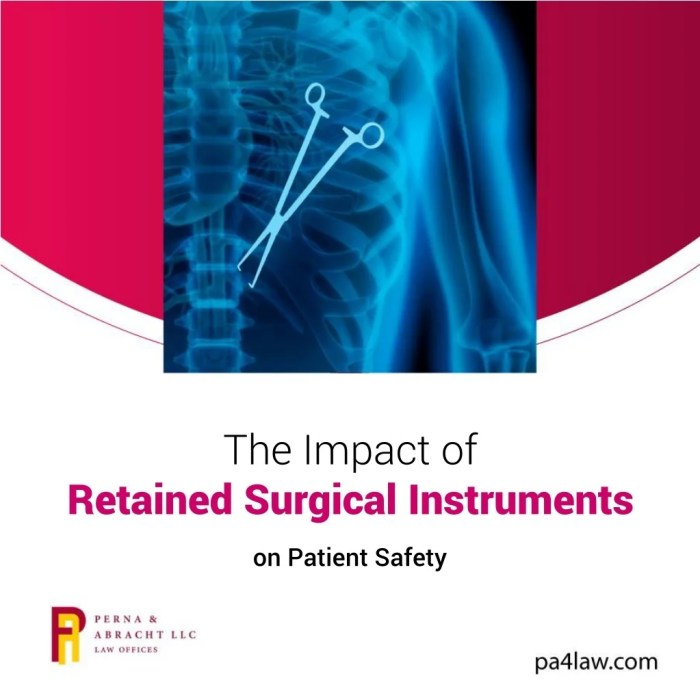
A surgical instrument retention lawsuit refers to legal action taken against healthcare providers or facilities when surgical instruments, sponges, or other items are unintentionally left inside a patient's body during a surgical procedure. This can lead to serious complications for the patient and may result in the need for additional surgeries to remove the retained objects.
Examples of Incidents
Examples of incidents that could lead to surgical instrument retention lawsuits include:
- A surgical sponge being left inside a patient's abdomen after a surgery
- A surgical instrument, such as a scalpel or forceps, being unintentionally left inside a patient's body
- An instrument breaking off during a procedure and not being accounted for before closing the incision
Legal Implications for Healthcare Providers
Healthcare providers involved in surgical instrument retention cases may face serious legal consequences, including:
- Lawsuits for medical malpractice, negligence, or failure to meet the standard of care
- Potential loss of medical license or disciplinary action by regulatory bodies
- Financial penalties and compensation payouts to affected patients
Common Causes of Surgical Instrument Retention
When it comes to surgical instrument retention in patients, there are several common causes that contribute to these incidents. Human error and system failures play a significant role in these unfortunate occurrences, leading to potential risks for patients undergoing surgeries.
Lack of Proper Counting Procedures
One of the primary reasons for surgical instrument retention is the lack of proper counting procedures in the operating room. When surgical staff fail to accurately count the instruments used during a procedure, there is a higher likelihood of items being left behind in the patient's body.
Fatigue and Distractions
Surgeries can be long and intense procedures, leading to fatigue among surgical staff. Fatigue, combined with distractions in the operating room, can result in oversights that may lead to the retention of surgical instruments in patients. It is crucial for surgical teams to remain focused and alert throughout the entire procedure to prevent such incidents.
Complex Surgical Cases
In complex surgical cases, where multiple instruments are used, there is a higher chance of instruments being inadvertently left inside the patient. Surgeons and staff must maintain clear communication and coordination to ensure that all instruments are properly retrieved before closing up the incision.
Patient Impact and Consequences

When surgical instruments are inadvertently left inside a patient's body after surgery, the consequences can be severe and life-altering. The impact on patients who experience retained surgical instruments can be both physical and psychological, leading to complications and emotional distress.
Physical Consequences
- Retained surgical instruments can cause infections, internal bleeding, organ perforation, and tissue damage.
- Patients may experience chronic pain, discomfort, and mobility issues as a result of the foreign object left inside their body.
- In some cases, retained instruments can lead to the formation of abscesses or cysts, requiring additional surgeries for removal.
Psychological Effects
- Patients often experience anxiety, fear, and trauma knowing that a surgical instrument was left inside their body.
- The psychological impact can affect the patient's mental well-being, leading to stress, depression, and post-traumatic stress disorder (PTSD).
- Some individuals may develop a distrust of medical professionals and healthcare systems, impacting their future treatment decisions.
One patient shared, "I couldn't shake off the fear and paranoia that something was wrong with me after finding out a surgical tool was left inside me. It took a toll on my mental health."
Legal Ramifications and Settlements
In surgical instrument retention lawsuits, the legal process can be complex and lengthy. These cases typically involve medical malpractice claims, negligence, and potential harm caused to patients as a result of surgical errors
Legal Process for Handling Lawsuits
- The legal process for handling surgical instrument retention lawsuits begins with the plaintiff filing a complaint against the healthcare provider or facility where the surgery took place.
- Both parties will then engage in the discovery process, where evidence is exchanged, depositions are taken, and expert witnesses may be called upon to provide testimony.
- If a settlement is not reached during pre-trial negotiations, the case will proceed to trial where a judge or jury will determine liability and any potential damages to be awarded.
Settlements in Surgical Instrument Retention Cases
- Settlements in surgical instrument retention cases are often reached through negotiations between the plaintiff's legal team and the defendant, typically the healthcare provider or facility.
- Factors that influence settlement amounts include the severity of the patient's injuries, the strength of the evidence, potential damages, and the likelihood of success at trial.
- Settlements may include compensation for medical expenses, pain and suffering, lost wages, and other damages resulting from the surgical error.
High-profile Cases and Outcomes
- One high-profile case involving surgical instrument retention was the "Gosselin v. Beth Israel Deaconess Medical Center" in 2009, where a jury awarded the plaintiff $5.2 million in damages.
- In another case, "Andrews v. St. Luke's Hospital," the plaintiff received a $10 million settlement after a surgical sponge was left inside their body during a procedure.
- These cases highlight the serious consequences of surgical instrument retention and the legal ramifications that healthcare providers may face as a result of such errors.
Preventive Measures and Best Practices

Preventing surgical instrument retention incidents is crucial for patient safety and overall quality of care in healthcare facilities. Implementing effective strategies, utilizing technology, following protocols, and providing comprehensive training are key components in reducing the risk of such incidents.
Utilizing Technology
- Implementing barcode scanning systems to track instruments before and after surgeries.
- Utilizing RFID technology to ensure all instruments are accounted for during procedures.
Following Protocols
- Establishing strict protocols for counting and verifying instruments before and after surgeries.
- Implementing standardized procedures for handling and storing instruments in surgical settings.
Providing Comprehensive Training
- Offering regular training sessions for surgical staff on instrument counting and tracking protocols.
- Ensuring all team members are aware of the importance of preventing instrument retention incidents.
Closing Summary
In conclusion, the multifaceted nature of Surgical instrument retention lawsuits unravels before us, encapsulating a blend of legal intricacies, human errors, and patient impacts. This discussion serves as a poignant reminder of the importance of diligence and vigilance in the medical field to ensure patient safety and well-being.
General Inquiries
What are the common causes of surgical instrument retention?
Common causes include lapses in communication, inadequate counting procedures, and distractions during surgery.
What are the potential consequences for patients who experience retained surgical instruments?
Patients may suffer from infections, organ damage, chronic pain, and psychological trauma.
How are settlements reached in surgical instrument retention lawsuits?
Settlements are often influenced by factors such as the extent of harm caused, negligence, and legal precedents.