As Food Poisoning Litigation: Holding Restaurants and Suppliers Accountable for Outbreaks takes center stage, this opening passage beckons readers with a captivating overview of the legal aspects involved in ensuring food safety and establishing liability in cases of outbreaks.
The discussion delves into past cases, responsibilities of establishments, and the impact of outbreaks, offering a comprehensive look at this critical issue.
Definition of Food Poisoning Litigation

Food poisoning litigation refers to the legal process of holding restaurants and food suppliers accountable for outbreaks of foodborne illnesses caused by contaminated food. This type of litigation typically involves individuals who have suffered from food poisoning seeking compensation for their medical expenses, lost wages, and pain and suffering.
It also aims to prevent future outbreaks by enforcing food safety regulations and standards.
Legal Aspects of Holding Restaurants and Suppliers Accountable
- Restaurants and suppliers can be held liable for food poisoning outbreaks if they were negligent in handling, storing, or preparing food.
- Legal claims in food poisoning cases often revolve around proving that the contaminated food was the direct cause of the illness.
- Establishing a link between the source of contamination and the affected individuals is crucial in determining liability.
Examples of Past Food Poisoning Cases and Outcomes
- In 2015, Chipotle Mexican Grill faced a series of food poisoning outbreaks linked to E. coli and norovirus, leading to numerous lawsuits and a decline in sales.
- A 2008 Salmonella outbreak at a peanut processing plant in Georgia resulted in multiple deaths and severe illnesses, leading to a criminal investigation and prosecution of the plant's owners.
- In 1993, the Jack in the Box E. coli outbreak affected hundreds of people across multiple states, resulting in lawsuits against the fast-food chain and significant changes in food safety regulations for the industry.
Responsibilities of Restaurants and Suppliers
In the food industry, both restaurants and suppliers play crucial roles in ensuring food safety and preventing outbreaks of foodborne illnesses. They have specific duties of care that they must uphold to protect consumers and maintain a positive reputation in the market.
Duty of Care in Ensuring Food Safety
Restaurants and suppliers are responsible for handling, preparing, and serving food in a safe and hygienic manner. This includes proper storage of ingredients, thorough cooking processes, maintaining clean kitchen facilities, and following food safety guidelines at all times.
Common Practices Leading to Foodborne Illness Outbreaks
Cross-contamination
Failure to separate raw and cooked foods properly can lead to the spread of harmful bacteria.
Improper temperature control
Food that is not stored or cooked at the right temperature can harbor bacteria and cause illnesses.
Poor personal hygiene
Employees not following proper handwashing practices or working while sick can contaminate food and cause outbreaks.
Regulations for Restaurants vs Suppliers
Restaurants are typically held directly liable for any foodborne illness outbreaks that originate from their premises. They are required to adhere to strict health and safety regulations set by local authorities and undergo regular inspections to ensure compliance.On the other hand, suppliers are responsible for providing safe and quality ingredients to restaurants.
While they are not directly liable for outbreaks caused by mishandling of their products by restaurants, they must still follow food safety protocols and standards to prevent contamination before the products reach the consumers.
Establishing Liability in Food Poisoning Cases
When it comes to food poisoning cases, establishing liability is crucial in holding restaurants and suppliers accountable for outbreaks. Several key factors determine liability in such cases, including:
Factors Determining Liability
- The source of the contamination: Identifying the specific food item or ingredient that caused the illness is essential in determining who is responsible.
- Food handling practices: If it can be proven that proper food safety protocols were not followed, this can point to negligence on the part of the restaurant or supplier.
- Evidence of negligence: Any evidence, such as improper storage of food or lack of hygiene, can help establish liability.
Burden of Proof
In food poisoning litigation, the burden of proof lies with the plaintiff, who must demonstrate that the illness was a direct result of consuming contaminated food from the restaurant or supplier. This requires solid evidence linking the illness to the specific establishment.
Establishing Negligence
To establish negligence in food poisoning cases, it is imperative to show that the restaurant or supplier failed to meet the expected standard of care in ensuring food safety. This can involve proving violations of food safety regulations, lack of proper training for staff, or other negligent actions that contributed to the outbreak.
Impact of Food Poisoning Outbreaks
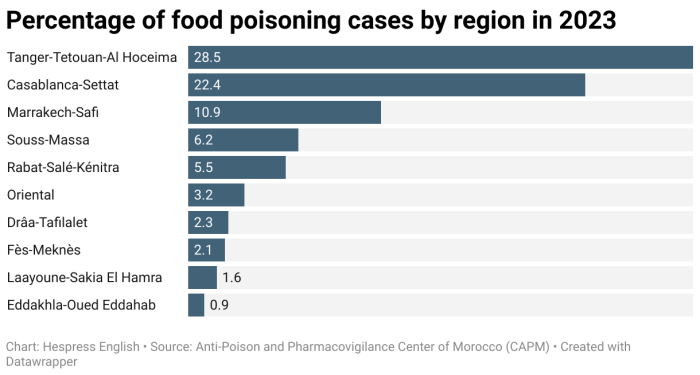
Food poisoning outbreaks can have severe consequences on both businesses and public health. When a restaurant or supplier is involved in a food poisoning incident, it can lead to various challenges that affect their financial stability and reputation.
Financial Implications for Restaurants and Suppliers
- Legal Costs: Engaging in food poisoning litigation can result in significant legal expenses for restaurants and suppliers, including hiring lawyers and paying court fees.
- Compensation: If found liable for a food poisoning outbreak, businesses may have to pay compensation to affected individuals, which can amount to large sums of money.
- Loss of Revenue: Publicity surrounding a food poisoning incident can lead to a decline in customers, causing a drop in revenue for restaurants and suppliers.
Reputation Damage and Long-term Viability
- Trust Issues: Food poisoning outbreaks can erode consumer trust in a business, leading to a loss of loyal customers and a damaged reputation that is challenging to recover from.
- Regulatory Scrutiny: Businesses involved in food poisoning incidents may face increased regulatory scrutiny, which can impact their ability to operate and expand.
- Long-term Effects: The negative publicity from a food poisoning outbreak can have lasting effects on a business's reputation, affecting its long-term viability and success in the industry.
Prevention and Risk Mitigation Strategies
In order to prevent foodborne illnesses in restaurants and supply chains, it is crucial to implement best practices and strategies that focus on food safety. This includes proper handling, preparation, and storage of food to reduce the risk of contamination.
Role of Food Safety Certifications and Training Programs
- Food safety certifications, such as ServSafe, play a key role in ensuring that restaurant staff are trained in proper food handling procedures.
- Training programs provide employees with the knowledge and skills necessary to maintain a safe and hygienic environment in the kitchen.
- Regular training and certification updates help to reinforce the importance of food safety practices and keep staff informed about the latest regulations.
Technologies for Monitoring and Ensuring Food Safety Compliance
- Temperature monitoring systems help to ensure that food is stored at the correct temperatures to prevent bacterial growth.
- Food safety software can streamline processes and procedures, making it easier to track and record important data related to food safety.
- Automated food safety monitoring devices can provide real-time alerts and notifications if any issues arise, allowing for quick intervention and prevention of contamination.
Summary
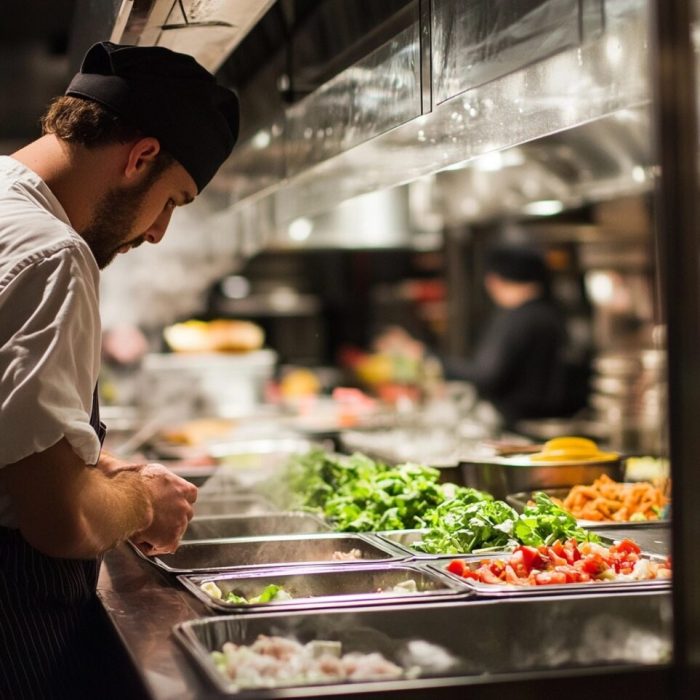
In conclusion, the complexities of food poisoning litigation highlight the importance of preventive measures and accountability in the food industry. This summary encapsulates the key points discussed, emphasizing the need for stringent regulations and risk mitigation strategies to safeguard public health.
Clarifying Questions
What legal aspects are involved in food poisoning litigation?
Food poisoning litigation involves holding restaurants and suppliers legally accountable for outbreaks due to negligence or lack of food safety measures.
How can liability be established in food poisoning cases?
Liability in food poisoning cases can be determined by proving negligence on the part of restaurants or suppliers, showcasing a breach of duty of care towards consumers.
What are the best practices for preventing foodborne illnesses in restaurants?
Implementing strict food safety protocols, ensuring proper hygiene practices, and regular staff training are crucial in preventing foodborne illnesses in restaurants.