Beginning with Elevator Malfunction Lawyer: Seeking Compensation for Building Maintenance Failures, the narrative unfolds in a compelling and distinctive manner, drawing readers into a story that promises to be both engaging and uniquely memorable.
When it comes to elevator malfunctions, seeking compensation for building maintenance failures is a crucial aspect that individuals need to consider. This article delves into the legal intricacies and complexities surrounding this issue, shedding light on the various facets that come into play when such incidents occur.
Legal Considerations for Elevator Malfunctions
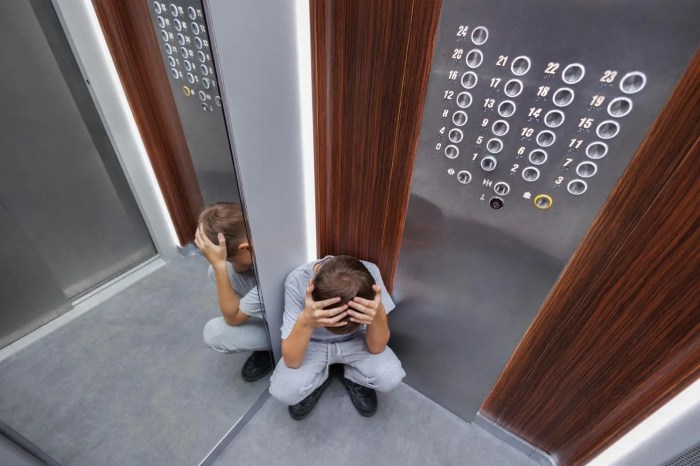
When it comes to elevator malfunctions, building owners have a legal responsibility to ensure the safety and proper functioning of their elevators. This includes regular maintenance, timely repairs, and compliance with safety regulations to prevent accidents and injuries.
Legal Responsibilities of Building Owners
Building owners are required to conduct routine inspections, maintenance, and repairs on elevators to ensure they are in safe working condition. Failure to do so can result in legal liability if an accident occurs due to negligence on the part of the building owner.
Common Legal Issues
Common legal issues that arise from elevator malfunctions include personal injury claims, property damage claims, and violations of building codes or safety regulations. In cases where negligence is proven, building owners may be held accountable for compensation to victims.
Examples of Successful Cases
In a recent case, a building owner was found liable for a serious injury caused by an elevator malfunction due to inadequate maintenance. The victim was awarded compensation for medical expenses, lost wages, and pain and suffering as a result of the accident.
Building Maintenance Regulations and Standards
When it comes to elevator maintenance in buildings, there are specific regulations and standards in place to ensure the safety and proper functioning of these essential systems. Non-compliance with these regulations can have serious legal implications for building owners and managers, as it puts occupants at risk and can lead to accidents.
Regulations and Standards Overview
- Building codes such as the International Building Code (IBC) and National Fire Protection Association (NFPA) codes dictate the requirements for elevator maintenance.
- The American Society of Mechanical Engineers (ASME) also provides standards specifically for elevators, including maintenance procedures and safety guidelines.
- Local jurisdictions may have additional regulations that building owners must adhere to regarding elevator maintenance.
Legal Implications of Non-Compliance
- Failure to comply with maintenance regulations can result in fines, lawsuits, and even criminal charges in severe cases.
- In the event of an elevator malfunction leading to injury or death, the building owner could be held liable for negligence in maintaining the elevator properly.
- Insurance coverage may also be affected if maintenance regulations are not followed, leading to financial repercussions.
Comparison Across Jurisdictions
- Building maintenance regulations can vary significantly from one jurisdiction to another, with some areas having more stringent requirements than others.
- It is crucial for building owners and managers to stay informed about the specific regulations in their location to ensure compliance and avoid legal issues.
- Consulting with legal counsel or elevator maintenance experts can help navigate the differences in regulations across jurisdictions.
Types of Compensation Available for Elevator Malfunctions
When individuals sustain injuries due to elevator malfunctions, they are entitled to seek various types of compensation to cover medical expenses, lost wages, pain and suffering, and other damages resulting from the incident.
Process for Claiming Compensation
- Report the incident: The first step is to report the elevator malfunction and resulting injuries to the building management or property owner.
- Seek medical attention: It is crucial to seek medical treatment for any injuries sustained and keep a record of all medical expenses.
- Contact a lawyer: Consulting with a lawyer who specializes in elevator malfunction cases can help guide you through the legal process of seeking compensation.
- Evidence collection: Gather evidence such as witness testimonies, medical records, and maintenance logs related to the elevator malfunction.
- Negotiation or litigation: Your lawyer will help negotiate a settlement with the responsible party or file a lawsuit to claim compensation through the legal system.
Factors Determining Compensation Amount
- Severity of injuries: The extent of injuries sustained in the elevator malfunction will play a significant role in determining the compensation amount.
- Medical expenses: The total medical expenses incurred for treatment and rehabilitation will be factored into the compensation amount.
- Lost wages: Compensation may also cover lost wages due to time off work for recovery from injuries.
- Pain and suffering: Emotional distress and pain endured as a result of the elevator malfunction can also be included in the compensation amount.
- Property damage: If any personal belongings were damaged in the elevator malfunction, the cost of repair or replacement may be considered for compensation.
Role of Elevator Maintenance Companies in Legal Proceedings
When it comes to legal proceedings related to elevator malfunctions, the role of elevator maintenance companies is crucial. These companies are often held accountable for ensuring the safe and proper functioning of elevators in buildings.
Liability of Elevator Maintenance Companies
Elevator maintenance companies can be held liable for elevator malfunctions if it is determined that their negligence or failure to adhere to maintenance standards contributed to the issue. This includes inadequate inspections, subpar repairs, or overlooking necessary maintenance tasks.
Importance of Maintenance Records and Documentation
Maintenance records and documentation play a vital role in legal proceedings involving elevator malfunctions. These records serve as evidence of the maintenance activities carried out by the maintenance company, helping to establish whether proper maintenance procedures were followed or neglected.
Recommendations for Holding Maintenance Companies Accountable
Individuals can hold maintenance companies accountable for elevator failures by ensuring that they keep thorough records of all maintenance activities, inspections, and repairs conducted on the elevator. In case of an elevator malfunction, it is important to gather and preserve all relevant documentation to support any legal claims against the maintenance company.
Final Conclusion
In conclusion, the pursuit of compensation for building maintenance failures due to elevator malfunctions is a multi-faceted process that requires a deep understanding of legal considerations and regulatory standards. By seeking the assistance of experienced elevator malfunction lawyers, individuals can navigate this complex terrain and ensure they receive the compensation they rightfully deserve.
Top FAQs
What legal responsibilities do building owners have in maintaining elevators?
Building owners are required to ensure that elevators are properly maintained to prevent malfunctions that could potentially cause harm to individuals.
What are the types of compensation available for elevator malfunctions?
Individuals can seek compensation for injuries caused by elevator malfunctions, which may include medical expenses, lost wages, and pain and suffering.
How can maintenance records and documentation impact legal proceedings?
Maintenance records and documentation play a crucial role in establishing liability in cases of elevator malfunctions, providing key evidence to support legal claims.